
Showing 1–16 of 57 resultsSorted by popularity
-
Sale!
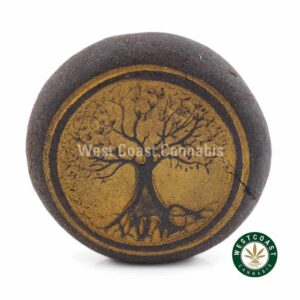
Hash – Red Charas Temple Balls 28g
Original price was: $135.00.$100.00Current price is: $100.00. Buy Now -
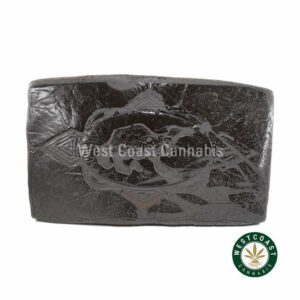
Hash – Nepalese Camel
$10.00 Buy Now -
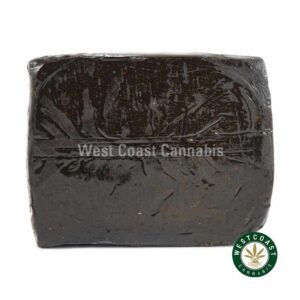
Hash – Gelato
$10.00 Buy Now -
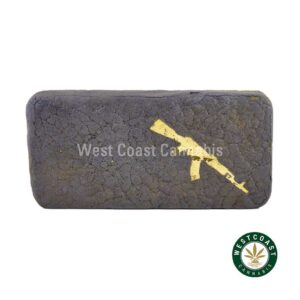
Hash – AK – 47
$10.00 Buy Now -
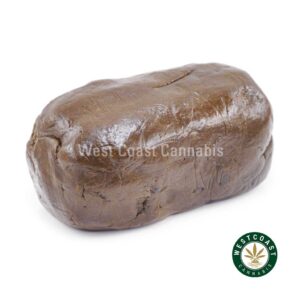
Full Melt Hash – Ice Cream Cake
$12.50 Buy Now -
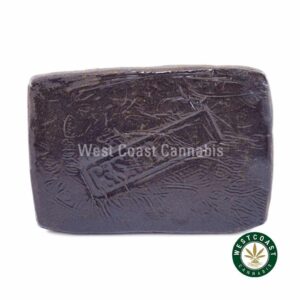
Hash – Moroccan Casablanca
$10.00 Buy Now -
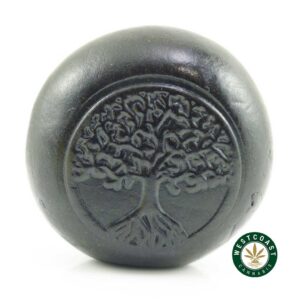
Hash – Charas Temple Hash Balls 28g
$250.00 Buy Now -
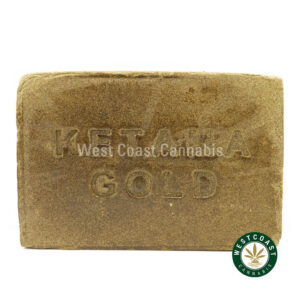
Hash – Ketama Gold Moroccan
$15.00 Buy Now -
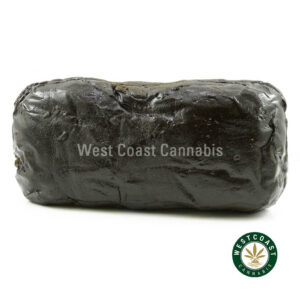
Hash – Ketama Gold Afghan
$15.00 Buy Now -
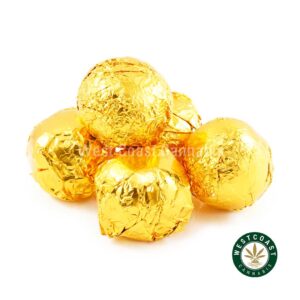
Hash – Nepalese Temple Balls 28g
$250.00 Buy Now -
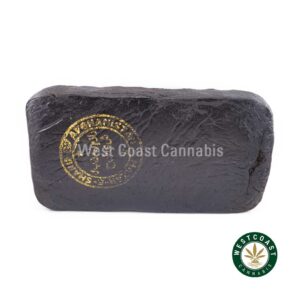
Hash – Mazar Sharif
$5.00 Buy Now -
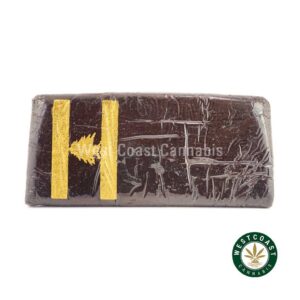
Hash – Red Lebanon
$5.00 Buy Now -
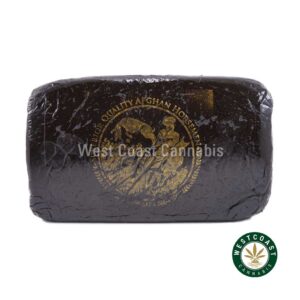
Hash – Afghan Horseman
$5.00 Buy Now -
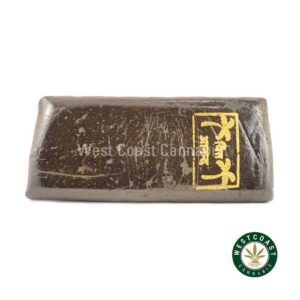
Hash – Pakistan
$10.00 Buy Now -
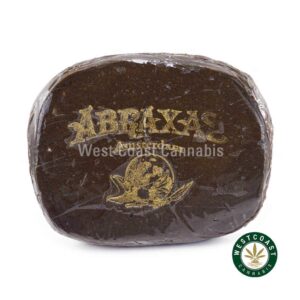
Hash – Morrocan Abraxas
$12.50 Buy Now -
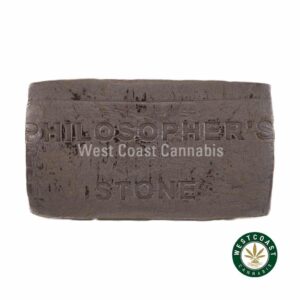
Hash – Philosopher’s Stone
$10.00 Buy Now
Popular in Hash: at a glance
| Product | Type | Aroma / notes | Reported THC | From (CAD) |
|---|---|---|---|---|
| Red Charas Temple Balls 28g Hash | Hand-rubbed charas or temple ball | earth, smoke, faint floral sweetness | — | $100.00 |
| Nepalese Camel Hash | Hand-rubbed charas or temple ball | earth, smoke, faint floral sweetness | — | $10.00 |
| Gelato Hash | Hybrid (roughly 55% indica) | sweet berries, vanilla ice cream, citrus | — | $10.00 |
| AK-47 Hash | Sativa-leaning hybrid | sour, skunk, earthy | — | $10.00 |
| Ice Cream Cake Full-melt Hash | Indica-dominant hybrid | vanilla cake, cream, dough | — | $12.50 |
| Moroccan Casablanca Hash | Moroccan-style hash | earth, sweet spice, wood | — | $10.00 |
| Charas Temple Hash Balls 28g Hash | Hand-rubbed charas or temple ball | earth, smoke, faint floral sweetness | — | $250.00 |
| Ketama Gold Moroccan Hash | Moroccan-style hash | earth, sweet spice, wood | — | $15.00 |
| Ketama Gold Afghan Hash | Moroccan-style hash | earth, sweet spice, wood | — | $15.00 |
| Nepalese Temple Balls 28g Hash | Hand-rubbed charas or temple ball | earth, smoke, faint floral sweetness | 30% | $250.00 |
| Mazar Sharif Hash | Afghan-style black hash | earth, warm spice, black pepper | — | $5.00 |
| Red Lebanon Hash | Lebanese-style hash | cedar, incense, spice | — | $5.00 |
| Afghan Horseman Hash | Afghan-style black hash | earth, warm spice, black pepper | — | $5.00 |
| Pakistan Hash | Pakistani-style black hash | earth, smoke, spice | — | $10.00 |
| Morrocan Abraxas Hash | Moroccan-style hash | earth, sweet spice, wood | — | $12.50 |
Type, aroma and THC ranges come from public strain references and the partner listing; they are not lab results for a specific batch.
What is hash?
Hash (hashish) is made by collecting the resin glands — trichomes — of the cannabis plant and pressing them into a block, slab or ball. It is one of the oldest cannabis preparations, known for deep earthy, spicy or sweet aromas. It is stronger than flower, and usually milder than refined extracts such as distillate.
Hash styles
- Afghan black hash — traditionally dry-sieved and hand-pressed into dark, soft, pliable blocks, black outside and dark green-brown inside, with earth, warm spice, pepper and incense notes. Mazar-i-Sharif is the best-known name.
- Moroccan hash (Ketama) — sieved resin from the Rif mountains, pressed into blocks or slabs; often described as milder and smoother than Afghan, Indian and Pakistani styles.
- Lebanese hash — Red and Blonde Lebanese come from the Bekaa Valley; the colour names track the hash and harvest timing, not a fixed plant line.
- Charas and temple balls — resin rubbed by hand from living plants and rolled into balls or sticks; dark, soft and tacky. Malana Cream from the Indian Himalayas is the best-known example, and authentic Nepalese temple balls are now very scarce.
- Pakistani black hash — dark, soft hashish from the Afghan border region.
- Bubble hash — solventless ice-water hash, graded from one to six stars; five or six stars is “full melt”, hash that melts almost completely when heated.
How to judge hash quality
| Check | Good sign | Warning sign |
|---|---|---|
| Colour | An even tone from light brown to deep gold; a dark outside with light brown flecks inside for hand-pressed hash | White, green or grey specks (possible mould); very green inside (plant matter) |
| Texture | Pliable and slightly tacky when warmed in the hand | Dry and crumbly (lots of plant material), or gritty (possible fillers) |
| Smell | A natural aroma of earth, spice, pine or citrus | Musty, mildew, chemical, plastic or solvent smells |
| Burn test | A small piece melts and bubbles, leaving little residue | Black soot, crackling or no bubbling |
| Bubble hash | Light blond to golden, aromatic, melts fully | Dark green-brown, hard, little aroma |
These are home checks drawn from hash-making guides and retailers, and sources disagree on some details. A flame cannot reveal pesticides, heavy metals or residual solvents; only a lab test can.
How people use hash
Crumble a small piece into a joint with flower, put it on top of a bowl, or use a vaporizer built for concentrates. Start with a crumb-sized amount and wait. Compare with kief (loose resin) and the wider concentrates range.
Storing hash
Wrap it and keep it in a sealed container, cool and dark. Hash that dries out loses aroma and softness. You must be of legal age in your province: 19 in most of Canada, 18 in Alberta and 21 in Quebec.
About hash names
Hash names are used loosely in the trade, so the origin and method of any single product are what the seller states; GG4 cannot verify them. Style descriptions here come from public references on traditional hash-making.